The UFC’s bantamweight division is currently a hotbed of activity, marked by the ascent of new contenders and the reign of its current champion. With a dynamic shift in power and ambitious fighters vying for the top spot, the landscape is becoming increasingly complex, filled with strategic maneuvering, and perhaps even a touch of apprehension among the athletes. Even former champions are weighing in, offering sharp insights into the motivations and potential anxieties of those at the top.
Umar Nurmagomedov’s Unstoppable Momentum
Umar Nurmagomedov is rapidly establishing himself as a formidable force within the bantamweight division. His recent dominant performance against Cory Sandhagen in the main event of UFC on ABC 7 underscored his skill and unwavering determination, solidifying his perfect 18-0 record. This impressive win has earned him significant respect from both fans and fellow fighters, placing him firmly in the conversation as a legitimate title challenger. Nurmagomedov’s methodical approach and proven ability to control opponents suggest he possesses the tools to overcome even the most seasoned veterans. His consistent performances indicate a fighter who is not only talented but also mentally prepared for the highest level of competition. As he continues his winning streak, the question isn’t if he’ll get a title shot, but when, and how the current champion will respond to his undeniable threat.
Merab Dvalishvili’s Championship Reign and Strategic Considerations
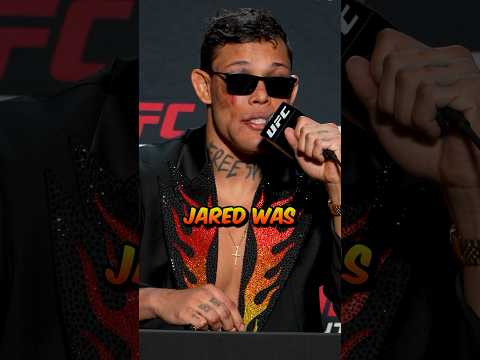
Merab Dvalishvili currently holds the bantamweight title, but his reign is now shadowed by rising contenders and lingering questions about his future challenges. Following his victory over Sean O’Malley at UFC 306, the division’s dynamics have shifted considerably, creating a complex web of rivalries and anticipation. O’Malley, for his part, has expressed strong feelings about his loss, asserting he was „robbed“ and is eager for a rematch. Dvalishvili has indicated an openness to this possibility, which has led to speculation about his strategic thinking. Former champion O’Malley has been vocal, suggesting that Dvalishvili might prefer a rematch with him over facing the undefeated Umar Nurmagomedov. This narrative implies that Dvalishvili might view a second bout with O’Malley as a more manageable path to defending his title, rather than confronting the unknown quantity that Nurmagomedov represents within the UFC.
The Psychological Game and Future Matchups
The subtle mind games and public pronouncements within the bantamweight division highlight the psychological warfare that often accompanies high-stakes competition. O’Malley’s consistent insinuations that Dvalishvili is hesitant to face Nurmagomedov raise intriguing questions about fighter motivations and the perception of threats. Is Dvalishvili genuinely avoiding Nurmagomedov, or is this simply a tactic to build anticipation for other matchups? If a champion avoids what is perceived as the most dangerous contender, it can cast a shadow over their legacy. O’Malley’s comments bring to the forefront the idea that sometimes the most daunting challenges aren’t just physical, but also psychological, involving stepping into the octagon against an opponent whose full capabilities are yet to be tested at the very top tier. As O’Malley recovers from hip surgery, his anticipated return in early to mid-2024 could shake up the division even further, potentially forcing Dvalishvili’s hand and leading to a reshuffling of contenders. The unfolding drama between these fighters underscores the intense competition and the intricate dance of promotion and strategy that defines modern MMA.