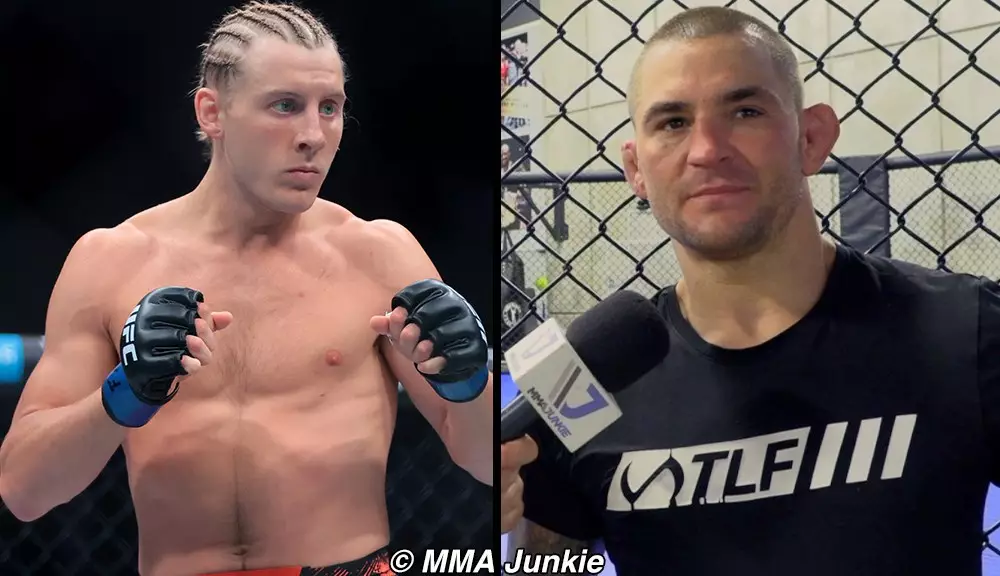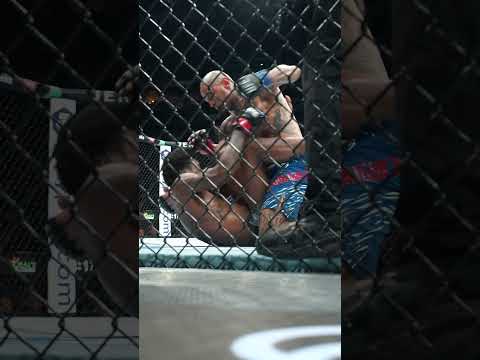

The world of mixed martial arts is a constantly shifting arena where championship dynamics can change in an instant. Following a contentious split decision at UFC 297, Dricus Du Plessis emerged victorious over Sean Strickland, igniting a new chapter in the middleweight division’s title race. This pivotal win, and the subsequent debates it has sparked, underscore the intricate nature of judging and the ripple effects of every fight’s outcome on a fighter’s championship aspirations.
Dricus Du Plessis‘ Ascending Star
Since his hard-fought victory against Sean Strickland, Dricus Du Plessis has been on an undeniable upward trajectory. His dominant submission win over former champion Israel Adesanya at UFC 305 further cemented his status as a formidable force and a legitimate contender for the middleweight crown. This impressive streak has not only bolstered his personal record but also positioned him as a fighter to watch closely. His coach, Morne Visser, has been vocal about the team’s strategic vision, openly discussing their ambition to defend the title in February in Sydney. A key element of this plan involves a potential matchup with Robert Whittaker, contingent on Whittaker’s success against Khamzat Chimaev at UFC 308. Visser’s confidence in Whittaker highlights the former champion’s proven track record and experience, a stark contrast to Strickland’s recent performance, which saw a less impactful win over Paulo Costa following their title bout. This disparity in recent momentum and championship-level performances suggests that Du Plessis‘ camp views a bout with Whittaker as a more strategically advantageous and desirable next step compared to a rematch with Strickland, who has only had a modest rebound since his loss.
Sean Strickland’s Strategic Stalemate
Sean Strickland’s declaration that he will not compete unless it’s for a title shot reflects a determined, albeit potentially limiting, mindset in the fast-paced world of MMA. While ambition is commendable, an overly narrow focus on the championship belt could hinder his ability to capitalize on emerging opportunities within a fluid division. His recent victory over Paulo Costa, while a win, may not be enough to immediately propel him back into the title picture. This is particularly crucial in a sport where maintaining competitive rhythm is paramount for staying relevant and building momentum. Fighters often need consistent activity to keep their names in the conversation and their skills sharp, and a rigid stance on only fighting for the title could lead to extended periods of inactivity, potentially allowing other contenders to surge ahead.
Navigating the Middleweight Chess Match
The upcoming clash between Robert Whittaker and Khamzat Chimaev is shaping up to be a significant turning point for the middleweight division. If the ascendant Khamzat Chimaev emerges victorious, it could pave the way for an exciting future bout with Dricus Du Plessis, setting the stage for a clash that could redefine the championship landscape. On the other hand, a win for Whittaker would significantly bolster his standing and potentially set up a highly tactical rematch with Du Plessis. This interplay of potential victories and losses highlights the intricate strategic planning that underpins UFC matchmaking. As fighters chart their paths to the title, the insights and strategies of their coaching teams play a pivotal role in shaping their careers. Du Plessis‘ team clearly prioritizing a bout with Whittaker suggests that Strickland may need to reassess his approach to remain a prominent contender. Ultimately, the constant dance of wins, losses, and strategic decisions will determine not only the individual destinies of these fighters but also the overarching narrative of the UFC middleweight championship.


Liberty Super Patch – Pack of 28 Patches – Liberate your mind and body from daily stress!
view product