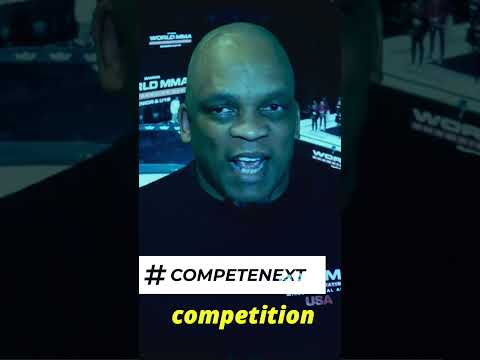
Mixed Martial Arts (MMA) has undergone a remarkable transformation, evolving from a niche sport seeking legitimacy to a globally celebrated phenomenon. A pivotal factor in this ascent has been the integration of social media, fundamentally reshaping the relationship between fighters and their audience. Platforms like X, Instagram, and Facebook have fostered unprecedented engagement, moving beyond passive spectating to cultivate a vibrant community where fans, athletes, and coaches interact in real-time.
Fighters Build Their Personal Brands Online
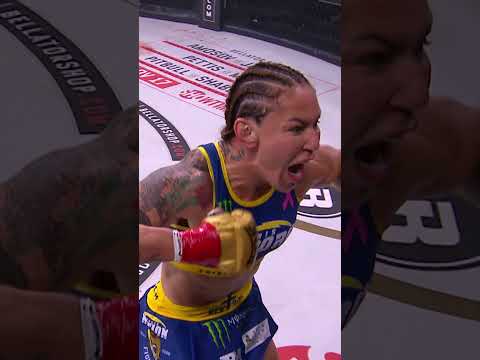
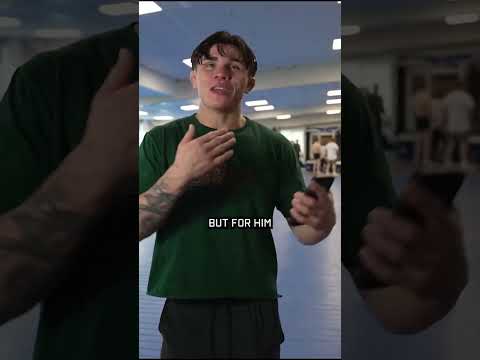
The advent of social media has revolutionized how MMA fighters present themselves and cultivate their personal brands. In the past, athletes had limited avenues to connect with their fanbase; however, platforms like X (formerly Twitter) and Instagram now empower them to share intimate insights and behind-the-scenes content that deeply resonates with their followers. This ability to humanize fighters fosters a loyal community of supporters who feel personally invested in their journeys. For instance, after major events like UFC Fight Night 243 in Paris, numerous fighters immediately took to their social media accounts to share their immediate reactions, celebrate victories, or reflect on challenges. This instant dialogue keeps fans engaged even when the fights are over.
Beyond the Octagon An Expanded Ecosystem of Support
Fighters are not the sole beneficiaries of social media’s influence; coaches, teammates, and family members also play an active role in the online MMA ecosystem. Their contributions add layers of depth to the sport, offering glimpses into grueling training regimens, meticulous preparation routines, and the personal sacrifices made in pursuit of success. It’s common to see coaches celebrating their fighters‘ triumphs or offering words of encouragement after tough losses. This multifaceted interaction enriches the sport, transforming it into a shared experience between fans, athletes, and their support networks. The emotional weight carried by these shared moments creates connections that extend far beyond the competition itself, forging a stronger sense of community.
Navigating the Challenges of Constant Visibility
However, the pervasive presence of social media in MMA isn’t without its pitfalls. The immediacy of online communication often leads to impulsive reactions, whether it’s a fighter expressing frustration after a loss or facing criticism from fans. This can amplify the pressure on athletes, whose every move is subjected to public scrutiny. The lines between personal and professional life can blur, and mental well-being can be compromised due to the constant exposure and feedback. Furthermore, misinformation can spread rapidly, potentially damaging fighters‘ reputations and creating unnecessary tension within the community. As we look ahead, it’s clear that social media will continue to be a dominant force in the MMA landscape, with evolving platforms offering new avenues for connection and interaction, making the athlete-fan relationship increasingly complex.