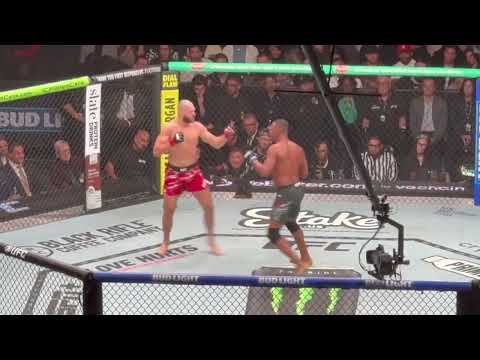

The recent UFC 306 event offered a compelling case study on the significance of effective cornering in mixed martial arts. While Sean O’Malley’s performance under scrutiny highlighted a fighter’s individual skill, it also cast a spotlight on the strategic guidance and communication provided by his corner. This event underscores that a fighter’s success in the octagon is a team effort, with the corner playing an indispensable role.
How Corner Advice Can Make or Break a Fight
The corner team is far more than just a cheering section; they are the fighter’s eyes and ears outside the cage, tasked with providing objective feedback, crucial tactical adjustments, and vital motivation during the heat of battle. In O’Malley’s case, the perceived lack of urgency and strategic adaptation, as noted by UFC Hall of Famer Matt Serra, demonstrated a critical failure in real-time communication. When a fighter is clearly struggling, the corner’s ability to instill a sense of urgency and pivot the game plan is paramount. Failing to do so can directly lead to unfavorable outcomes, transforming a potentially winnable fight into a decisive loss. This highlights the immense pressure on coaches to not only recognize when their fighter is in trouble but to decisively act to alter the fight’s trajectory.
The Art of In-Fight Adaptation and Motivation
Effective cornering demands more than just recognizing a fighter is in a difficult spot; it requires decisive action and the ability to adapt the strategy on the fly. UFC 306 seemed to expose a deficiency in this area for O’Malley’s corner, with trainer Tim Welch facing criticism for his approach. Expert opinions from seasoned fighters and coaches carry significant weight in the MMA community, and Serra’s observations suggested a lack of adaptability and motivational prowess from Welch. When a fighter is losing on the scorecards, the corner’s role should shift towards injecting aggression and urgency, potentially even delivering tough truths to reignite a fighter’s spirit. As Serra rightly pointed out, simple reassurances can be counterproductive when a fighter is clearly being outmatched. The inability to present a clear, actionable plan to regain lost ground in a fight is a fundamental oversight that can have dire consequences.
Beyond Strategy Physical Challenges and Psychological Fortitude
Adding another layer to the narrative of UFC 306 is O’Malley’s disclosure of a torn labrum sustained ten weeks prior to the fight. Such injuries can significantly impact a fighter’s performance, but they also become crucial factors influencing strategic decisions for both the fighter and their corner. When physical limitations are present, the effectiveness of the corner team becomes even more critical. They must provide the fighter with the necessary psychological tools to overcome these obstacles, offering unwavering support while also guiding them through the tactical adjustments necessitated by their condition. The aftermath of UFC 306 serves as a potent reminder for all fighters and their teams about the indispensable role of coaching, especially during pivotal moments when a fighter faces adversity, whether due to skill deficits or physical challenges. In the high-stakes world of the UFC, a robust game plan, developed both pre-fight and adapted mid-bout, is not just an advantage; it’s a necessity for securing victory.