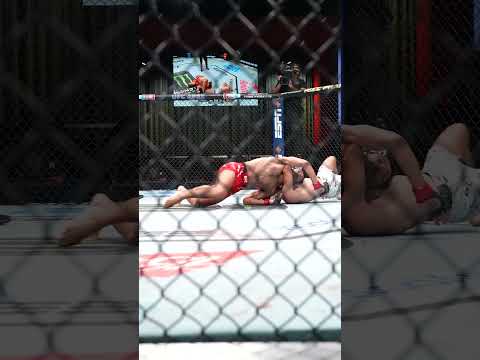
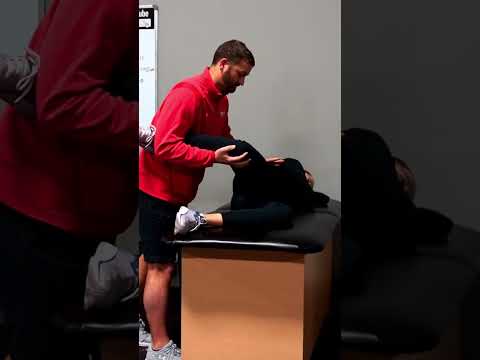
The world of mixed martial arts is as demanding as it is thrilling, often pushing athletes to their absolute limits. Recently, a significant setback for bantamweight champion Sean O’Malley at UFC 306, where he lost his title to Merab Dvalishvili, has brought critical issues of fighter safety to the forefront. Following the bout, it was revealed that O’Malley had been competing with a torn hip labrum, an injury he sustained approximately ten weeks prior to the fight. This disclosure has sparked crucial conversations about the UFC’s health protocols and their effectiveness in identifying injuries that may not be immediately apparent.
The Unseen Battle A Fighter Fights
The revelation that Sean O’Malley was grappling with a torn hip labrum during his championship bout against Merab Dvalishvili at UFC 306 has sent ripples through the MMA community. O’Malley himself shared that he sustained the injury about ten weeks before the fight, a detail that raises significant questions about the timing of its discovery and the athlete’s decision to compete. This situation highlights the inherent challenges in identifying and managing injuries that aren’t outwardly visible, especially in a sport where the pain threshold is remarkably high. Fighters often push through discomfort, and sometimes, what might seem like a minor issue can be a serious underlying problem that affects performance and long-term health.
Navigating the Complexities of Fighter Health
UFC President Dana White addressed the concerns surrounding O’Malley’s performance, emphasizing that the organization was unaware of the extent of his injury prior to the fight. This statement underscores the complex dynamic of monitoring the physical well-being of athletes, particularly in the lead-up to high-stakes events. The possibility that a torn labrum could have been overlooked during pre-fight assessments brings to light a critical discussion about transparency and the lines of communication between fighters and the promotion. When athletes choose to conceal their injuries, the responsibility for ensuring their safety often falls into a grey area, complicating the operational landscape of the UFC and raising questions about the efficacy of current medical protocols.
The Path Forward for Fighter Welfare
O’Malley’s admission of being knocked down multiple times and enduring over ten minutes of intense grappling, all while potentially compromised, brings the long-term impact on his career into sharp focus. With surgery scheduled for early October, the recovery process for a hip labrum tear can be lengthy and arduous, potentially affecting his overall trajectory in such a physically demanding sport. The UFC’s public response to these events should pivot towards implementing more robust injury reporting and monitoring systems. While White acknowledges the inherent difficulties in detecting certain injuries, it is incumbent upon the organization to spearhead initiatives that foster an open dialogue about fighter health. This includes educating athletes on the paramount importance of disclosing injuries and cultivating a culture that unequivocally prioritizes competitor safety above the immediate competitive outcome. Enhanced pre-fight medical examinations, incorporating comprehensive physical assessments, could play a pivotal role in uncovering hidden injuries. The events surrounding UFC 306 serve as a critical learning experience for both the organization and its athletes, offering an opportunity to build an environment that champions fighter well-being without compromising the sport’s competitive integrity.