
The highly anticipated UFC women’s bantamweight championship bout between Julianna Peña and Raquel Pennington is more than just a fight; it’s a narrative unfolding before our eyes. Fueled by Peña’s outspoken promotion and Pennington’s measured response, this clash promises to be an unforgettable spectacle. As fight night looms, the verbal sparring between these two warriors is intensifying, creating a captivating storyline that has fans on the edge of their seats.
Peña Ignites the Flames with Sharp Words
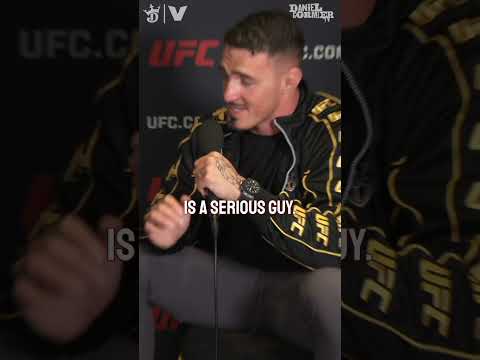
The pre-fight press conference for UFC 307 transformed into a psychological battlefield, with Julianna Peña and Raquel Pennington exchanging pointed remarks. Peña, fully embracing her challenger status, clearly believes it’s her duty to inject energy and excitement into the promotion of this title fight. She didn’t shy away from expressing her frustration with what she perceived as Pennington’s passive approach to building the rivalry, suggesting that the champion wasn’t contributing equally to the promotional efforts. This dynamic underscores Peña’s astute understanding that visibility is paramount in making a fight memorable; without it, even talented fighters can easily fade from public consciousness. Her bold declarations are designed not only to capture the audience’s attention but also to subtly undermine Pennington’s standing as a champion, crafting a compelling narrative arc for fight fans to follow.
Contrasting Personalities Meet in the Octagon
Raquel Pennington, far from being a silent target of Peña’s provocations, responded with a spirited defense of her character and her dedication to the sport. Her replies effectively highlighted the stark contrast in personalities Peña, the vocally ambitious challenger eager to make waves, versus Pennington, the more reserved and stoic champion. Pennington acknowledged Peña’s fighting spirit, stating, „You are a warrior, and you have heart,“ while also conveying her dissatisfaction with Peña’s confrontational tactics. This exchange demonstrates that Pennington is acutely aware of her role in promoting the fight, even as she navigates Peña’s aggressive strategy. Pennington’s deliberate responses project a strong confidence in her abilities and her championship reign, suggesting she doesn’t require the same level of vocal fanfare to validate her worth. Her primary focus remains on her performance inside the octagon, allowing her actions to speak far louder than any pre-fight rhetoric.
Broader Conversations About Women in MMA
The intense verbal exchange between Peña and Pennington also touches upon broader themes concerning the representation of women within mixed martial arts. Peña’s assertion that Pennington is a „bad representation of the women’s division“ hints at a perceived obligation for female athletes to elevate the sport through their conduct and public personas. In a sport that continues to advocate for greater equality and increased visibility for its female athletes, the behavior and public image of each fighter carry significant weight. This narrative adds another compelling layer to the fight, as fans may find themselves invested not only in the athletic contest but also in the underlying messages about female empowerment and leadership within MMA. As fight night approaches, the rhetoric is only escalating, showcasing that both women are more than just competitors; they understand the nuances of promotion and the narratives that captivate audiences, setting the stage for an electrifying showdown.