Mixed martial arts, or MMA, is a sport where split-second decisions can dramatically alter a fight’s outcome. Referees are central to this high-stakes environment, and veteran Herb Dean stands out for his willingness to share his thought process. His actions at UFC 306, particularly during the bantamweight title bout, sparked considerable discussion and highlighted the intricate challenges faced by officials.
Herb Dean’s Intervention and the Coach-Fighter Dynamic
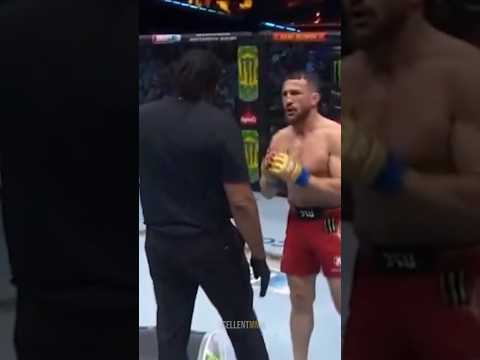
The bantamweight championship clash between Merab Dvalishvili and Sean O’Malley at UFC 306 became a focal point for debate, largely due to referee Herb Dean’s early intervention. Within moments of the fight’s start, Dean stepped in to address an exchange of words between Dvalishvili and O’Malley’s coach, Tim Welch. This decision to pause the action and issue a warning to Welch immediately drew scrutiny from fans and analysts alike. Dean later explained his rationale, emphasizing the need to maintain the integrity of the bout and protect the fighters from unnecessary distractions. While acknowledging the importance of allowing personalities to shine, he stressed that his primary role was to ensure the contest remained focused on the combatants within the octagon.
The Nuances of In-Fight Behavior and Maintaining Professionalism
Beyond the initial coaching incident, the fight itself presented further scenarios that tested the boundaries of acceptable conduct and referee intervention. A notable moment occurred when Dvalishvili, during a grappling exchange, unexpectedly kissed O’Malley on the back. While this might be perceived by some as a lighthearted or bizarre act, Dean was quick to address it, classifying it as unsportsmanlike conduct. This incident underscores the delicate balance referees must strike in an emotionally charged sport. They must distinguish between a fighter’s competitive spirit and actions that could undermine the professionalism and respect inherent in the sport. Dean’s actions in these instances reflect a commitment to preserving the serious nature of MMA competition while allowing for the unique expressions that make the sport so compelling.
The Tightrope Walk of Referee Oversight
As the fight progressed, Dean’s calls for increased action from Dvalishvili also came under review, with prominent figures like Joe Rogan questioning the timing and necessity of some of his prompts. This highlights a fundamental challenge for MMA referees how to effectively encourage engagement without stifling a fighter’s strategy or inadvertently influencing the bout’s momentum. The controversy surrounding Dean’s officiating at UFC 306 serves as a potent reminder of the multifaceted responsibilities of MMA referees. They are not only enforcers of rules but also custodians of the sport’s perception and the overall fan experience. Their openness to discuss their decisions is crucial for advancing the understanding and effectiveness of officiating, and as MMA continues to evolve, so too must the dialogue surrounding its critical decision-makers.