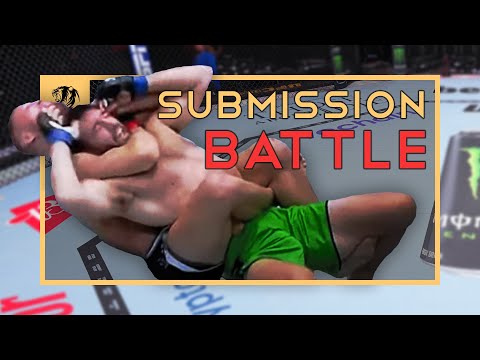

The UFC continues its trajectory as a premier combat sports organization, consistently delivering thrilling matchups and crowning new champions. Among the highly anticipated bouts on the horizon is the clash between Julianna Peña and Raquel Pennington at UFC 307. This fight is more than just a step forward in their careers; it’s a fascinating study in the intricate art of striking within mixed martial arts that deserves a closer look.
Peña’s Unconventional Striking Power
Julianna Peña, a fighter with a history that includes being an early training partner of former champion Miesha Tate, brings a unique perspective to the striking game. Tate has been vocal about what she perceives as common misconceptions surrounding Peña’s offensive capabilities. According to Tate, Peña’s strikes possess a distinct effectiveness that often goes overlooked by the broader MMA community. She emphasizes that Peña’s approach to striking shouldn’t be judged by conventional metrics alone, suggesting a raw power that can be deceptively impactful. Tate’s comparison of Peña’s fighting style to that of a medieval jousting tournament paints a vivid picture. This analogy evokes a sense of raw, unrefined force rather than technical polish. It highlights the idea that even if Peña’s strikes don’t look like textbook boxing, they can land with surprising potency, capable of catching opponents off guard. In an era where striking styles are constantly evolving and diversifying, Tate’s insights are particularly relevant, reminding us that effectiveness doesn’t always align with established standards of form.
Pennington’s Precision and Defensive Acumen
On the other side of the Octagon stands Raquel Pennington, a formidable opponent renowned for her precise striking and robust defense. Tate’s comparison of Pennington’s technical proficiency to that of Valentina Shevchenko places her in an elite category regarding skill and effectiveness. Both fighters are known to employ a counter-striking strategy, avoiding wild flurries in favor of calculated movements designed to exploit their opponent’s vulnerabilities. This disciplined approach suggests a fight that will be won through strategic thinking as much as physical prowess. This analysis underscores the strategic depth inherent in MMA, where counter-offense, positioning, and tactical fighting styles play pivotal roles in determining fight outcomes. Pennington’s well-rounded skill set, pitted against Peña’s aggressive grappling tendencies, sets the stage for an engaging contest that promises to go beyond a simple slugfest. The contrasting styles of these two athletes are likely to produce a finely tuned encounter that could be decided by mental fortitude and adaptability.
The Mental Game and Strategic Adjustments
Miesha Tate believes that the outcome of this fight will likely hinge on psychological factors, specifically the „will“ to overcome adversity. For Peña, her aggressive style and relentless pressure can sometimes create openings that skilled opponents can capitalize on. Conversely, Pennington’s resilience and defensive capabilities provide her with the crucial advantage needed to weather Peña’s offensive storms. This suggests a mental chess match will be as important as the physical one unfolding. Tate’s observation that Pennington must prioritize offensive grappling is particularly insightful and adds another layer of strategic depth to the fight analysis. The potential for Pennington to initiate takedowns could be a game-changer, shifting the momentum and potentially neutralizing Peña’s striking activity. This strategic consideration highlights the adaptability required in MMA, where each fighter must be capable of leveraging their opponent’s weaknesses to assert dominance.