In the dynamic world of mixed martial arts, perception often plays a significant role, sometimes even eclipsing objective reality. Fighters grapple not only with opponents in the octagon but also with the narratives surrounding them. Joaquin Buckley, a fighter known for his exciting performances, has recently voiced his critical perspective on the rise of undefeated prospect Shavkat Rakhmonov. Buckley’s candid assessment challenges the prevailing hype and questions whether Rakhmonov is the insurmountable force many believe him to be.
Joaquin Buckley’s Calculated Criticisms
Joaquin Buckley, holding a professional record of 19 wins and 6 losses, has carved out a respected niche in the UFC welterweight division through a series of impactful victories. His notable wins against established contenders like Impa Kasanganay and Vicente Luque have solidified his reputation as a dangerous and capable fighter. Following a period of impressive statistical success and crucial wins, Buckley has strategically turned his attention to Shavkat Rakhmonov, who boasts an unblemished 18-0 record. This move brings to the forefront a crucial aspect of career progression in MMA how fighters leverage opportunities and engage with the narrative of their division. Buckley’s willingness to openly critique a highly-touted opponent suggests a strategic approach to building his own profile and potentially creating a path to a title shot.
Questioning the Undefeated Streak
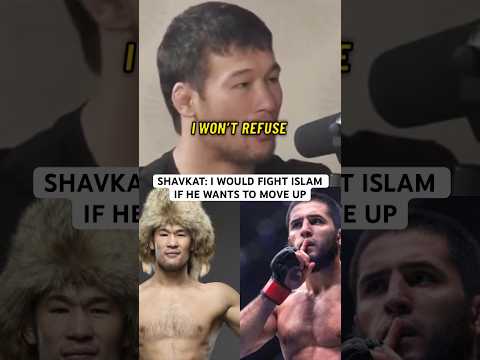
Buckley recently issued a direct challenge to Shavkat Rakhmonov, a call-out that amplified the already considerable anticipation surrounding the rising star. Rakhmonov’s swift refusal of this challenge has only fueled further speculation and curiosity. While Rakhmonov is widely considered a formidable opponent, his reluctance to face Buckley could be interpreted as more than just strategic matchmaking; it might hint at a degree of apprehension. Buckley asserts that such hesitancy suggests a potential vulnerability, arguing that top-tier fighters should actively seek out the toughest competition rather than being selective. This perspective aligns with the idea that true champions embrace risk, and avoiding a potentially challenging matchup can inadvertently reveal underlying concerns about one’s own standing.
The Psychology of Championship Aspirations
Buckley articulated his viewpoint, stating, „Hesitation to fight often comes from understanding your opponent’s capabilities.“ His words imply that Rakhmonov’s decisions to avoid confrontation might stem from a concern about losing to a fighter who has demonstrated the ability to defeat opponents from similar training camps. This delves into the psychological underpinnings of competition, where even minor evasions can signal deeper anxieties about one’s position in the hierarchy of talent. Buckley is also preparing to face Stephen Thompson on October 5th at UFC 307, a bout that could significantly bolster his claim as a legitimate contender in the welterweight division. A strong performance against Thompson would further empower Buckley’s argument that other fighters are overlooking him due to their risk-averse strategies. His comments also touch upon the potential for welterweight champion Belal Muhammad to face Rakhmonov, highlighting the constant flux and evolving dynamics within the division.