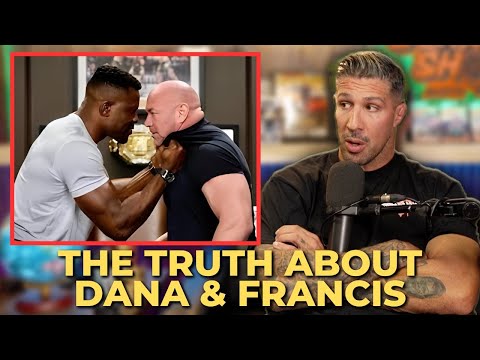
The Roots of Growing Discord
The friction between Francis Ngannou and Dana White didn’t emerge overnight; its origins stretch back years, long before Ngannou became a dominant force in the UFC heavyweight division. White himself has publicly acknowledged a personal animosity towards Ngannou, dating as far back as 2018. At that time, Ngannou was still solidifying his status and hadn’t yet earned the global recognition as „the baddest man on the planet.“ While promotional narratives often project an image of unity and shared success, the underlying dynamics between Ngannou and White have consistently shown a more complicated picture, marked by diverging expectations and fundamental personality clashes. This long-standing undercurrent of tension set the stage for future confrontations.
Shifting Narratives and Perceived Betrayals
Ngannou’s ascent to the pinnacle of the heavyweight division was a spectacular display of raw power and knockout artistry, but his journey wasn’t without its setbacks. His initial loss to Stipe Miocic, for instance, was a significant blow and led to a period of intense scrutiny. More recently, White’s comments about Ngannou allegedly avoiding a superfight with Jon Jones further illustrate a shift in their relationship’s tone. What may have once been a sense of camaraderie or mutual respect began to curdle into open disdain, particularly when expectations weren’t met from White’s perspective. This evolution in public commentary suggests that the once-celebrated champion was now being viewed through a lens of disappointment, a narrative that Ngannou vehemently disputes, citing contractual disputes as the primary reason for his departure.
Character, Contracts, and the Future of Fighter Relations
A significant dimension to White’s current sentiment towards Ngannou appears to stem from his perception of fighters‘ character and their alignment with his vision for the UFC. White has openly stated that Ngannou doesn’t meet his standards, highlighting a philosophical chasm that can exist between promoters and the athletes they employ. Ngannou’s public persona, often characterized by humility and resilience forged through a difficult upbringing, doesn’t seem to resonate with White’s expectations. This perceived disconnect, with White suggesting Ngannou is merely a good actor, further complicates their professional history and underscores how personal beliefs can heavily influence business relationships. The ramifications of such statements echo throughout the MMA community, raising broader questions about the dilemmas fighters face when navigating relationships with powerful promoters whose interests may not always align with their own. Given the entrenched positions seemingly adopted by both Ngannou and White, a reconciliation of their professional relationship appears unlikely, with White’s definitive statement that they will „never do business together again“ solidifying this sentiment.