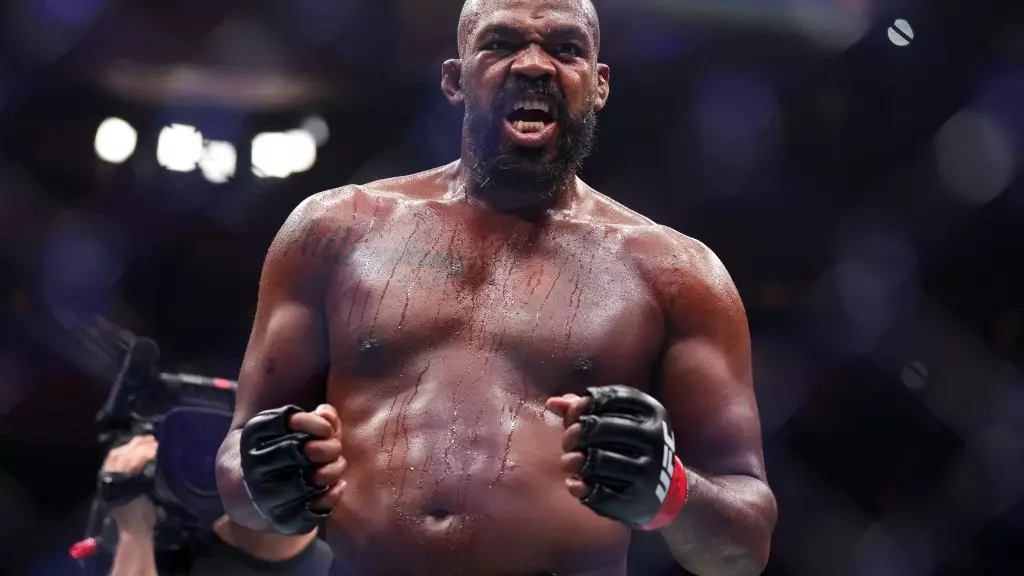

The Enduring Reign of a Technical Master
Jon Jones has long been the benchmark for greatness in the UFC’s heavyweight division. His 27-1 professional record, including an impressive 21-1 within the Octagon, is a testament to his consistent dominance. Coach Brandon Gibson emphasizes that Jones’ extensive experience and technical prowess allow him to dissect any opponent’s game. Gibson views Jones as an adaptable force, capable of overcoming challenges regardless of his opponent’s accolades or perceived strengths. This perspective is vital when considering potential matchups against emerging contenders who are eager to dethrone the king. The strategic mind and diverse skill set Jones brings to every fight have consistently proven to be the difference-maker, solidifying his legacy.
Aspinall’s Rapid Ascent and Untested Depths
Tom Aspinall has rapidly ascended the heavyweight ranks, earning his interim title with a string of impressive victories, most notably against Curtis Blaydes. His 15-3 professional record and 8-1 UFC slate highlight a fighter on a significant upward trajectory. Despite his current success, questions linger about how Aspinall would perform under the intense pressure of a championship bout against an established legend like Jones, particularly in the later rounds. Gibson suggests that while Aspinall’s undefeated streak has made him a dangerous opponent, certain aspects of his game remain untested at the highest echelons. Concerns about his cardiovascular endurance and ability to maintain composure in championship rounds could become critical factors if a bout with Jones were to materialize. These potential vulnerabilities are precisely why Gibson believes Jones’ vast experience could be the decisive edge.
Legacy, Strategy, and the Future of Heavyweight
Jon Jones himself has expressed a degree of ambivalence about a potential fight with Aspinall, acknowledging the latter’s strengths but questioning what such a bout would truly add to his already monumental legacy. This sentiment reflects a broader narrative in mixed martial arts, where the caliber of opposition and the impact on a fighter’s historical standing are as significant as the victory itself. For seasoned veterans like Jones, strategic matchmaking becomes an integral part of their career narrative. Gibson underscores the importance of fight IQ, pacing, and mental fortitude, especially when facing a hungry challenger like Aspinall. He asserts that Jones’ unique blend of technical mastery and psychological resilience, honed over years of elite competition, positions him favorably against any opponent. The mental aspect of fighting is often as crucial as physical conditioning, and Jones’ proven ability to „solve complex problems“ in the octagon suggests a deep well of strategic thinking that transcends mere physical confrontation. As Jones continues to defend his championship, the heavyweight division’s future remains intrinsically linked to the emergence of exciting talents like Tom Aspinall.