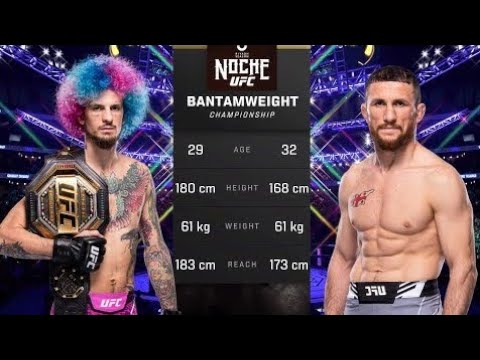

The women’s bantamweight division is buzzing with anticipation following Julianna Peña’s dominant title defense at UFC 307 and Kayla Harrison’s impressive debut win. While both fighters are riding high on recent success, a palpable tension has emerged, primarily fueled by Peña’s pointed critiques of Harrison’s readiness for a championship challenge. This evolving narrative highlights not only the physical demands of MMA but also the crucial psychological and logistical hurdles that define elite competition.
Julianna Peña’s Strategic Scrutiny of Kayla Harrison
Julianna Peña, the reigning UFC women’s bantamweight champion, has publicly cast doubt on Kayla Harrison’s preparedness for a potential title shot. Peña, who boasts an impressive 13-5 professional record, recently solidified her championship status by defeating Raquel Pennington at UFC 307. Meanwhile, Kayla Harrison, with an 18-1 record, made a significant impact on the same card by defeating Ketlen Vieira, establishing herself as a formidable contender in the division. However, Peña’s skepticism isn’t solely focused on Harrison’s in-cage performance. She has voiced concerns about Harrison’s physical condition and her ability to meet the stringent weight requirements for championship bouts. Peña’s candid remarks, such as suggesting Harrison „wants a break because she knows she can’t make weight,“ point to a belief that Harrison’s past struggles with weight cutting, including experiencing blood in her urine, indicate deeper issues with the demanding process of making championship weight.
The Critical Role of Weight Management and Fighter Conditioning
The ongoing debate surrounding Kayla Harrison’s weight-cutting capabilities underscores a critical aspect of professional fighting the immense physical toll and potential health risks associated with rapid weight reduction. Julianna Peña has been particularly vocal, questioning whether Harrison’s performances, even in victory, demonstrate the necessary endurance for a grueling five-round championship fight. Peña noted that Harrison, despite having a relatively extended lead-up to her recent bout, appeared fatigued. This observation suggests Peña’s conviction that Harrison’s pace and stamina might not hold up under the intense pressure of a championship-level contest. Beyond the physical, these concerns also touch upon the psychological fortitude required to navigate the intense preparation and pressure cooker environment of title contention in modern MMA.
Navigating Rivalry Through Sport Psychology and Strategic Banter
The dynamic between Julianna Peña and Kayla Harrison offers a fascinating case study in sports psychology and the strategic use of public discourse in combat sports. Peña’s critiques, while direct, also serve to assert her dominance and position herself as the gatekeeper to the bantamweight throne, suggesting Harrison needs to „get in line.“ This approach, however, can also be interpreted as a subtle acknowledgment of the inherent pressure and potential self-doubt that can accompany athletes at the pinnacle of their careers. Peña’s playful jab, „You’re gonna need double God,“ referencing Harrison’s past comments about weight cutting being beyond her control, further emphasizes the importance of mental toughness and comprehensive preparation at the championship level. This exchange highlights how rivalries in MMA are not just fought in the octagon but are also waged in the media, shaping public perception and adding layers of intrigue to potential matchups.


Ignite Super Patch – Pack of 28 Patches – Ignite the fire of motivation and passion within!
view product