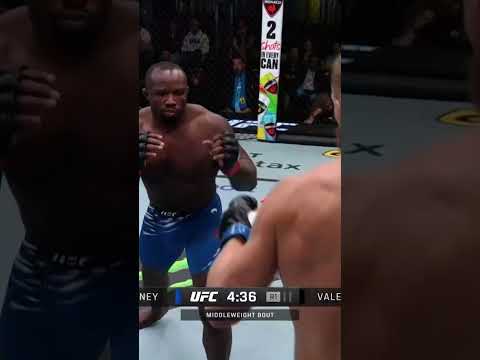

The recent UFC 307 bout between MMA legend Jose Aldo and Mario Bautista ended in a split decision that has sparked considerable debate among fans and analysts alike. Many felt the legendary Brazilian fighter was unfairly judged, leading to a loss that many believed he deserved to win. This analysis delves into the tactical aspects of the fight, drawing insights from former bantamweight champion T.J. Dillashaw, who offered a critical perspective on Aldo’s performance.
The Crucial Role of Cage Control and Awareness
T.J. Dillashaw’s commentary highlighted a critical element of MMA judging that often goes unnoticed by casual observers the impact of cage control. He pointed out that Aldo’s inability to effectively disengage from the cage, particularly in the pivotal final round, played a significant role in the fight’s outcome. Bautista, while not necessarily landing significant damage, managed to keep Aldo pinned against the fence for extended periods. This position, according to Dillashaw, is often interpreted by judges as a lack of control and initiative, even if the fighter being pressured isn’t actively being overwhelmed with strikes. For a veteran like Aldo, known for his offensive prowess, allowing himself to be controlled in this manner is a strategic misstep that can sway the judges‘ scorecards.
Adapting Under Pressure Strategic Misses
Dillashaw’s critique extends beyond simple positional control, emphasizing the need for adaptability in the heat of battle. He suggested that Aldo, instead of remaining passive against the cage, should have employed specific techniques to create space and re-center himself. This isn’t just about striking or grappling; it’s about the fundamental understanding of movement within the octagon. When a fighter is consistently forced to defend against the cage, it can drain their energy and create a narrative of being dominated, regardless of the actual damage dealt. For a fighter of Aldo’s caliber, whose career has been built on sharp offensive attacks and intelligent movement, this defensive posture against the fence was a deviation from his usual dominance. It opens up questions about his strategic preparation and ability to adjust when faced with a persistent, albeit not overtly aggressive, opponent like Bautista.
The Fighter’s Narrative and Judging Interpretations
The controversy surrounding Aldo’s loss underscores the subjective nature of MMA judging. While many fans saw Aldo’s moments of effective offense and believed he did enough to win, Dillashaw’s perspective sheds light on how judges often interpret control. The idea that judges „interpret“ control means that a fighter’s actions, or lack thereof, can shape the narrative of the fight in the judges‘ minds. Being pinned against the cage, especially if the fighter appears to be conserving energy rather than actively fighting their way out, can be perceived as a lack of engagement. This perception, even if not entirely reflective of the fighter’s intent, can significantly influence the scorecard. For seasoned competitors like Aldo, understanding these nuances of judging and proactively managing the narrative of the fight is as crucial as their physical conditioning and technical skill. His tactical choices in this bout, perhaps aiming to conserve energy, inadvertently created an opening for Bautista to control the pace and ultimately influence the judges‘ decision.