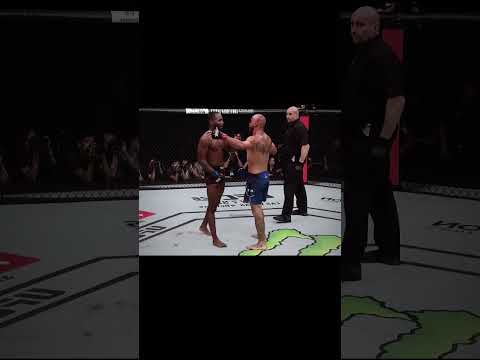
Jorge Masvidal’s recent call-out of Leon Edwards has ignited a firestorm of discussion within the MMA community, drawing attention from figures like Chael Sonnen. This move prompts a deeper look into Masvidal’s motivations and the potential ripple effects for both fighters‘ futures in the UFC. After a career defined by electrifying victories, Masvidal finds himself at a crossroads, marked by a recent downturn in his performance.
The Shifting Sands of a Fighter’s Legacy
Masvidal’s career trajectory has taken a significant turn following his April 2023 loss to Gilbert Burns, marking his fourth consecutive defeat. Once hailed as one of the most exciting welterweights, the narrative surrounding Masvidal has undeniably shifted. This change isn’t solely due to diminishing physical capabilities but also reflects how a fighter is perceived and remains relevant in an ever-evolving sport. His expressed desire to return suggests he’s unwilling to fade quietly into the background. Sonnen’s observation that Masvidal appears to be „performing“ for attention rings true; in combat sports, perception often carries more weight than reality, dictating a fighter’s popularity and marketability. Masvidal’s pursuit of a rematch with Edwards transcends a simple desire for competition; it underscores his need to maintain relevance in an industry where fading from view can be the most challenging loss of all.
The Complex Calculus of Motivation and Opportunity
At face value, Masvidal’s challenge appears straightforward—an athlete seeking to settle unfinished business. However, as Sonnen suggests, the underlying motivation might be more about financial necessity. Fighters often navigate a delicate balance between chasing glory and recognizing the financial stakes of their careers. The reality of modern MMA is that bouts are not just about skill sets and legacies; they are also about captivating audiences and generating revenue. Masvidal’s call-out of Edwards, despite his recent struggles, raises questions about the wisdom of such a matchup. Does a fight between these two veterans genuinely boost Masvidal’s career prospects, or is it an attempt to leverage a familiar narrative for fan engagement? Edwards, with his impressive resume, presents a challenge that may offer Masvidal little in terms of tangible reward. A loss here wouldn’t propel him back into title contention and could further tarnish his already damaged reputation.
Navigating the Modern MMA Landscape
The dynamics of fighter call-outs are indeed evolving. Sonnen highlights that in the past, there were clearer obstacles preventing such a fight—one fighter being a champion and the other not being a clear contender. However, the current landscape amplifies the stakes even further. Masvidal now operates in an arena where age and recent performance carry more weight than past achievements or lingering rivalries. Masvidal’s loss in the high-profile bout against Nate Diaz, coupled with Edwards‘ unexpected title loss at UFC 304, contributes to this complex picture. Sonnen’s skepticism about a 40-year-old fighter being re-signed by the UFC underscores a broader organizational trend where age and consistent performance are critical factors. Ultimately, while Masvidal’s desires may stem from a competitive spirit, the financial intricacies of the UFC and the nature of modern MMA marketing make simple rivalry narratives difficult to sustain. As Sonnen critiques, without tangible implications for either fighter’s ranking or reputation, the feasibility of this duel becomes questionable. The MMA landscape is in constant flux, and both Masvidal and Edwards must carefully navigate their paths as they seek to redefine their legacies in a sport that waits for no one.