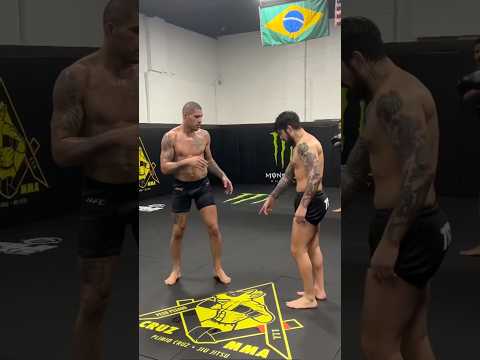
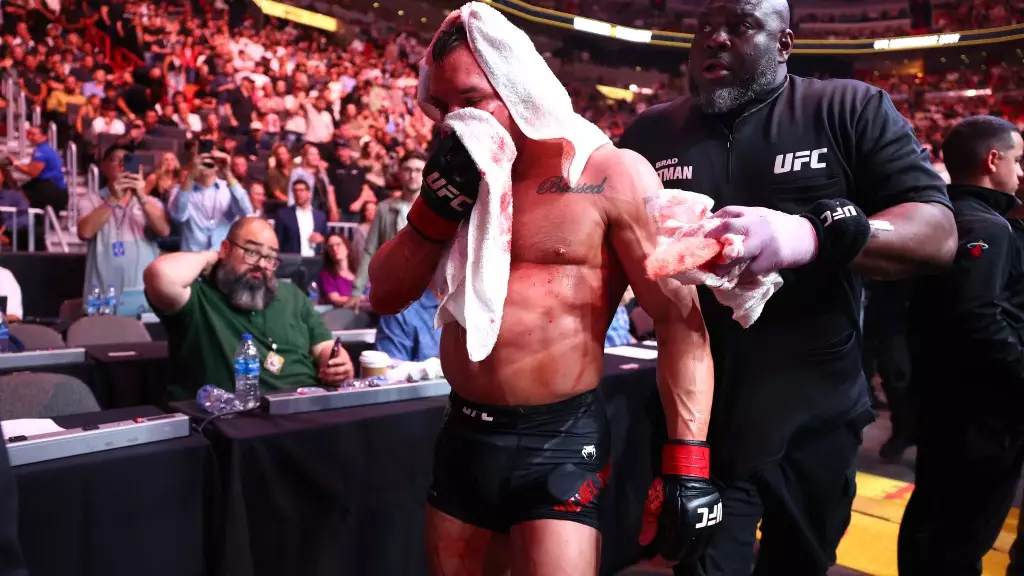
The high-octane world of mixed martial arts is a relentless proving ground, and few understand the career rollercoaster better than Henry Cejudo. Both Cejudo and his fellow fighter, Michael Chandler, are currently confronting the stark realities that accompany a string of losses. Chandler, a once-prominent figure, recently suffered his third consecutive defeat at UFC 314 against Paddy Pimblett, a setback that mirrors Cejudo’s own contemplation of his future amidst a similar losing streak.
Henry Cejudo’s Perspective on Chandler’s Struggles
As an Olympic gold medalist and former UFC champion, Henry Cejudo’s insights into Michael Chandler’s current predicament carry significant weight. Cejudo’s acknowledgement of the „real punches“ Chandler is taking suggests a need for the latter to re-evaluate his career trajectory in the fiercely competitive landscape of MMA. This sentiment, while laced with respect for Chandler’s tenacity, underscores the brutal truth that years of fighting can take a toll not only physically but also mentally. The shared experience of facing adversity in the octagon creates a unique bond and understanding between fighters, making Cejudo’s commentary particularly poignant. He recognizes the immense pressure and emotional drain that comes with repeated setbacks, especially for someone who has achieved championship status.
Unfulfilled Potential and Strategic Choices
Cejudo’s observations also bring to the forefront the discussion around Chandler’s seemingly unfulfilled potential within the UFC. While Chandler arrived with considerable fanfare as a former Bellator champion, his UFC tenure has been marked by exciting performances that often fell short against top-tier opponents. His losses to elite fighters like Charles Oliveira, Dustin Poirier, and Justin Gaethje paint a realistic picture of the challenges he has faced. Cejudo suggests that Chandler has always possessed the capability to reach the sport’s pinnacle, raising the question of whether an unconscious prioritization of spectacle over strategy might have hindered his ascent. Despite his undeniable talent and fan appeal, Chandler’s penchant for engaging in crowd-pleasing, high-risk exchanges could have paradoxically impeded his path to consistent dominance at the very highest level.
The Price of Entertainment andfighter’s Dilemma
Fighters like Chandler, who consistently deliver thrilling performances, often find themselves embroiled in exhilarating but perilous exchanges that can lead to unintended consequences. Cejudo’s observation that Chandler is „too focused on the crowd“ highlights a style that resonates powerfully with audiences but carries an inherent risk of career-altering injuries. As both fighters stand at a critical juncture, contemplating retirement or a path toward redemption, the decisions they face are fraught with peril. For Chandler, whose popularity has been built on his exciting fighting style and undeniable heart, the question becomes at what cost has this public adoration come? The constant demand for entertainment can push athletes beyond their physical limits, blurring the lines between passion and self-preservation.